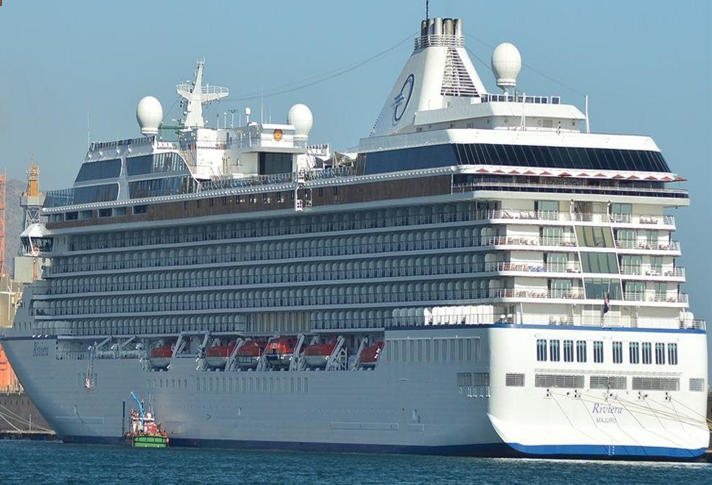

A recent report highlights a remarkable milestone: South Korean and Chinese cruise tourism is set to surpass two million visitors, underscoring a shift in regional travel dynamics. This surge reflects growing consumer confidence, expanding cruise itineraries, and heightened demand for seamless cross‑border travel experiences.
The rise is driven by several interrelated factors. Increased disposable income among affluent travelers, coupled with the development of more diverse and culturally resonant cruise routes, has opened new market segments. Simultaneously, bilateral agreements have streamlined visa processes and fostered joint marketing initiatives, making it easier for tourists to plan multi‑destination trips that combine coastal attractions with inland excursions.
Effective collaboration between government agencies and private sector stakeholders is central to sustaining this momentum. Joint task forces are coordinating infrastructure upgrades at key ports, enhancing safety protocols, and aligning regulatory standards to ensure a high‑quality experience for passengers. Moreover, partnerships between cruise operators and local tourism boards are creating bundled packages that highlight the unique heritage and natural beauty of both nations.
Despite the optimism, challenges remain. Environmental stewardship, particularly the reduction of marine pollution and the mitigation of overcrowding at popular ports, demand coordinated policy measures. Additionally, harmonizing cultural expectations and language services will be crucial to maintaining passenger satisfaction across diverse demographics.
Looking ahead, analysts anticipate that the cruise tourism sector will continue to expand, contributing significantly to regional GDP growth and employment. To fully realize this potential, stakeholders are urged to invest in sustainable practices, digitalization of ticketing and navigation systems, and continuous dialogue with travelers to address emerging concerns.